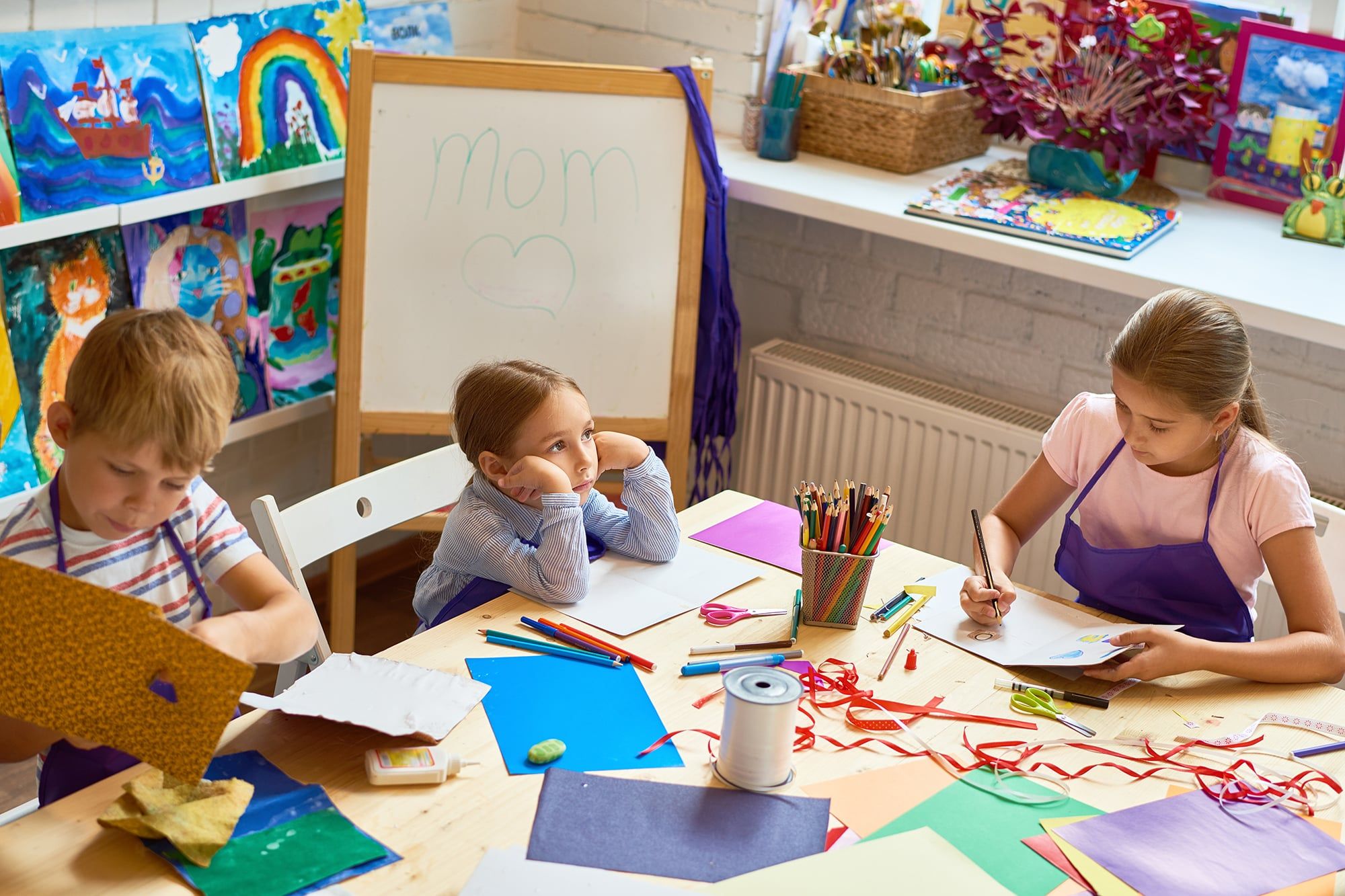
Art psychotherapy incorporates creative methods of expression, such as drawing, painting, clay modelling, animation, collage as well as other visual art media, for therapeutic goals. Art psychotherapy can be used to help people improve cognitive and sensory motor function, self-esteem, self-awareness, emotional resilience. It may also aide in resolving conflicts and reduce anxiety. The core of art psychotherapy practice involves a person-centred approach, creativity, reconciling emotional conflicts, fostering self-awareness, and personal growth. It can be particularly helpful for children, their families and young people, as well as providing invaluable support to adults with a range of psychological and functional issues.
Within this context, art is not used as diagnostic tool but as a medium to address emotional issues which may be confusing and distressing. Art psychotherapists are informed by theories such as attachment-based psychotherapy and have developed a broad range of client-centred approaches such as psycho-educational, mindfulness and mentalization-based treatments, compassion-focussed and cognitive analytic therapies, and socially engaged practice. Exploring the links between neuroscience and art therapy has also been at the forefront of recent practice.


